
Iran Damages Ras Laffan LNG Terminal, Sending EU Energy Prices Soaring
EU natural gas prices have risen more than a third since the strikes on the world's biggest LNG terminal
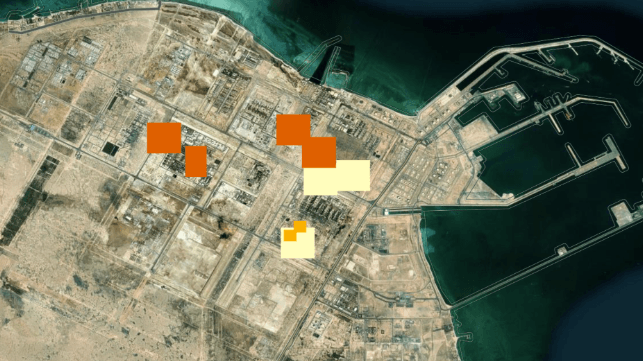
Qatari state petroleum company QatarEnergy has reported a series of Iranian attacks on the natural gas hub at Ras Laffan Industrial City, home of the world's largest LNG export terminal. The final follow-up strike caused "sizeable fires and extensive further damage" at several of its LNG facilities, with significant implications for 20 percent of the world's LNG supply.
The attacks were in retaliation for an Israeli strike on facilities serving Iran's supergiant South Pars field. South Pars' reserves are shared by Qatar, and the mutual interest in the reservoir has underpinned the working relationship between the two states for decades - a relationship which is now under wartime strain.
QatarEnergy’s Ras Laffan Industrial City to the north of Doha, Qatar's main site for the production of liquefied natural gas and gas-to-liquid, as well as the largest export terminal for LNG in the world, has been heavily targeted tonight by ballistic missiles fired by Iran.… pic.twitter.com/Ax9WaOjDAK
— OSINTdefender (@sentdefender) March 18, 2026
QatarEnergy said in a statement that the Ras Laffan facility sustained "significant damage" in the missile strikes. Ras Laffan has multiple functions with varying degrees of importance to the international energy trade. The site houses natural gas-fueled water and power plants, which provide Qatar with desalinated water and electricity; natural gas liquids separation plants; a gas-to-liquids conversion plant; and multiple giant LNG liquefaction trains, which feed nearby loading piers.
The state energy company said that the first attack hit the Pearl GTL gas-to-liquids facility. Further attacks early Thursday morning hit several LNG facilities, causing "extensive" damage. The fires have since been put out, and explosive ordnance disposal squads are working through the site to clear any unexploded munitions, Qatar's interior ministry said.
The damage to the liquefaction trains will have serious ramifications for the global market: QatarEnergy produces about one-fifth of the world's LNG supply, all in one location. European gas prices jumped by more than 30 percent following the news, reflecting the EU's dependence on imported LNG.
QatarEnergy had previously suspended exports from the LNG terminal due to the risk of a strike like the one experienced Wednesday. The attack means that the facility will remain offline for an extended period, measured in months rather than days.
"The State of Qatar expresses its strong condemnation and denunciation of the blatant Iranian attack targeting Ras Laffan Industrial City, which caused fires resulting in significant damage to the facility," Qatar's foreign ministry in a statement, noting Doha's neutrality in the war. "The Iranian side continues its escalatory policies that are pushing the region toward the brink and drawing countries not party to this crisis into the conflict zone."
Sheikh Nawaf Al-Thani, a former Qatari general who now heads the Council on International Mediation, called the strike "a reckless and dangerous escalation."
"When LNG facilities are brought into the line of fire, this is no longer just a regional conflict, it is a direct threat to global energy security," he said.
The attack follows Israeli strikes earlier in the day at Asaluyeh, Iran, a processing hub for gas from the South Pars field. South Pars supplies about 80 percent of the natural gas for Iran's domestic market; it is not exported, but rather used for electricity generation and domestic pipeline gas.
A U.S. defense official confirmed to Axios that the Israeli strike on South Pars was approved in advance by the White House; Israeli officials have also claimed top-level White House approval in advance. In a social media post late Wednesday, President Donald Trump denied any prior knowledge of the plan.

that matters most
Get the latest maritime news delivered to your inbox daily.
Qatar was not the only GCC state hit by the retaliatory attacks. In nearby Abu Dhabi, officials confirmed damage to the Habshan gas facilities and the Bab field caused by "falling debris from the successful interception of missiles." Iran also claims to have struck infrastructure near Yanbu, Saudi Arabia's strategically-vital Red Sea loading port - one of the very few Gulf oil terminals without dependence on the Strait of Hormuz.
The attacks have prompted Mideast states to put more collective pressure on Iran to end the conflict. On Thursday, Azerbaijan, Bahrain, Egypt, Jordan, Kuwait, Lebanon, Pakistan, Saudi Arabia, Syria, Turkey and the UAE joined Qatar in a joint statement calling for Iran to cease its attacks and release its grip on the Strait of Hormuz. Separately, Saudi Foreign Minister Prince Faisal bin Farhan Al Saud said that diplomatic trust with Iran was gone, and that the GCC states have “very significant capacities and capabilities” to respond if needed.