
Trump Calls NATO Allies “Cowards” for Not Supporting Opening Hormuz
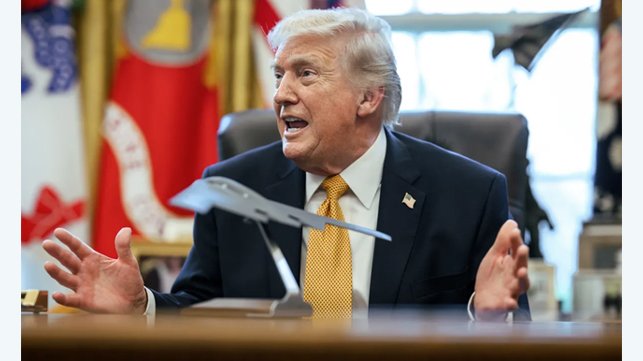
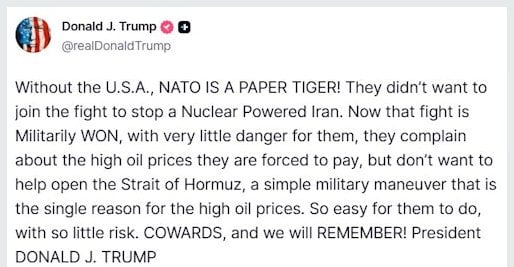
There are many comments circulating after Donald Trump went on social media early on Friday, March 20, and called America’s NATO allies “cowards” for not supporting the efforts to reopen the Strait of Hormuz. It came after he had made comments during the week that the United States and Israel are achieving their military targets and did not need the help of the Europeans or others, and previously said the Allies would come together for a defensive force.
Trump berated the allies today, using all caps and saying, “We will remember.” He asserted the fight was militarily won and that there was very little danger for the allies. He called reopening the Strait of Hormuz “a simple military maneuver.”
The UK, shortly after the announcement, did say that it had decided to let U.S. forces use its bases to undertake strikes on Iranian sites targeting the Strait. This was a change from the earlier policy that UK bases could only be used for defensive strikes. The UK had opened an RAF base as well as Diego Garcia to the U.S.
Five European nations, along with Japan, on Thursday released a joint statement saying they would join in to provide “appropriate efforts to ensure safe passage through the Strait.” However, the German Chancellor Friedrich Merz later said it “presupposed an end to combat.”
The International Maritime Organization, for its part, called for the establishment of a safe passage corridor. It said that there are as many as 20,000 seafarers trapped.
The BBC analyzed data from Kpler, saying it believed about 100 ships have made the transit so far this month. It supposed that as many as five or six a day, while the Joint Maritime Information Center said it believes the average is one a day through the Strait. The BBC broke down the total reporting that 14 were under Iran’s flag and others were sanctioned ships (likely using false flags). Nine, it said, were Chinese, and six were the ships India negotiated to free. Others were the tankers from Pakistan and a few Greek ships that dared to run the gauntlet. By comparison, BBC reports that pre-war the average was 138 per day.
UK Maritime Trade Operations did report that there were no new incidents against shipping in the past 24 hours, but it says the danger level remains critical. UKMTO reports the tally at 21 maritime incidents since the start of March in the Persian Gulf region.
While the U.S. says it has dramatically reduced Iran’s ability to launch missiles and drones, UKMTO reports early on Friday, March 20, there was a new wave of drone attacks targeted at the Mina al-Ahmadi refinery in Kuwait, the second attack in 48 hours, and it says fires broke out in multiple operational units. Some units have been shut down for safety, UKMTO reports. In Bahrain, it reports shrapnel/debris from intercepted projectiles caused fire in a company warehouse in the vicinity of the port area.

that matters most
Get the latest maritime news delivered to your inbox daily.
Speaking during the Pentagon briefing on Thursday, General Dan Caine, chairman of the Joint Chiefs of Staff, said the Strait of Hormuz remains a top priority, but did not assert it was stabilized or safe. In the latest effort, he reported the U.S. has deployed the A-10 Warthog, the Air Force’s workhorse for close air support and attacks. He said they were being used to hunt fast boats that Iran could use to deploy mines. He claimed 44 vessels capable of mine-laying had been destroyed.
Trump, late on Friday, wrote that the U.S. was getting close to its military objectives. Addressing the Strait of Hormuz, he wrote on social media, “The Hormuz Strait will have to be guarded and policed, as necessary, by other nations who use it — The United States does not! If asked, we will help these countries in their Hormuz efforts, but it shouldn’t be necessary once Iran’s threat is eradicated.”