
Report: Removing Mines From Strait of Hormuz Could Take Six Months
Reopening the Strait of Hormuz is a top-of-mind objective for the White House, but it may take more than a deal with Iran to get the situation back to normal in the waterway, according to the Washington Post. The Pentagon's internal assessment is that it could take six months to complete minesweeping operations in the strait after hostilities have ceased, the Post's Dan Lamothe reports - even with the advanced minesweeping and minehunting equipment embarked on three Independence-class littoral combat ships deployed in the region. The timeline would extend the lingering energy-price effects of the conflict out until the midterm elections, an undesirable outcome for the administration.
Based on accounts from three officials, the House Armed Services Committee was briefed on the status of the Strait of Hormuz shutdown on Tuesday. At the briefing, a senior official from the Pentagon told lawmakers that it could be half a year before all the mines are removed - far longer than any other official estimate. The administration has not issued a direct denial, according to the Post.
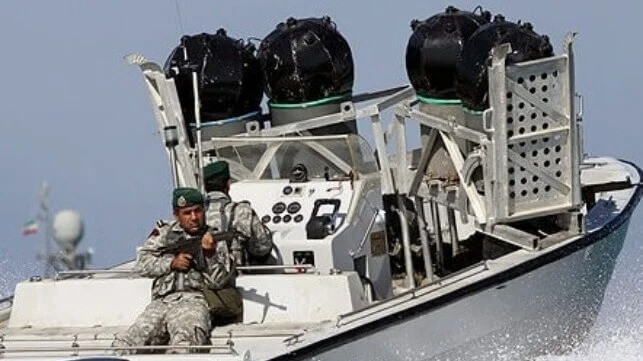
The six month time estimate is based on the total number of mines that are believe to be currently in the strait, estimated at 20 individual devices; but the number needing clearance depends on the evolution of the conflict. Iran retains access to military and civilian small craft, and has the ability to emplace more mines if desired. The size of its surviving stockpile is not publicly known, but it numbered in the thousands before the war - suggesting that the difficulty of the problem could rise if Iran chooses.

that matters most
Get the latest maritime news delivered to your inbox daily.
The location of the mines is not definitively known, but Iran has published a "danger zone" chart warning shipping to stay out of the area of the traffic separation scheme (TSS) in the center of the strait. Many ships have transited through Omani waters at the southern edge of this designated "danger zone" without encountering mines, including a convoy of MSC boxships on Monday night. On the north side of the waterway, dozens of ships have passed without incident through Iran's territorial waters near the islands of Larak, Qeshm and Hormuz. Iran's own tankers periodically evade the American blockade using this territorial-seas route, albeit in small numbers, according to the FT and TankerTrackers.com. No mine strikes have yet been reported on any of these routes.
The timeline for demining will be of concern to many other stakeholders, since the waterway ordinarily handles about 20 percent of all global crude oil trade. Asia's energy economy, geared to rely on Arabian crude oil grades, has been particularly affected. On Monday, Chinese leader Xi Jinping called for the strait to be reopened, an implicit criticism of China-aligned Iran and the first such statement he has released. “The Strait of Hormuz should remain open to normal navigation, which is in the common interest of regional countries and the international community,” Xi said in comments carried by state media.