
Seafarer Organizations Work with Gulf States for Crews Caught in War Zone
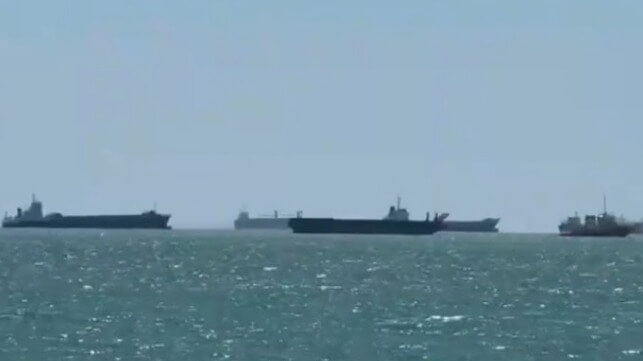
Concern continues for the estimated 20,000 seafarers trapped in the Persian Gulf on as many as 2,000 to 3,000 ships in total. While there has been a trickle of vessels permitted to make the transit through Hormuz, two ships were attacked again overnight on Monday, and some segments, such as containerships, mostly remain trapped. Trade group BIMCO estimates that 130 container vessels representing 1.5 percent of global capacity are currently stranded in the region.
Against this backdrop, and after an extraordinary meeting two weeks ago at the International Maritime Organization, the International Chamber of Shipping and the International Transport Workers’ Federation report that they met with representatives from the Gulf States to discuss urgent, practical, joint initiatives aimed at supporting the ships and crews.
During the meeting, the groups highlighted that seafarers are facing extremely difficult conditions as some of the ports and areas where their ships are located have come under attack. Trapped aboard the vessels for weeks, General Secretary of the ITF Stephen Cotton highlights the essential need to ensure the crewmembers have access to food, clean water, fuel, and medical care. Concerns were also raised about the repatriation of crews and crew changes.
“Discussions with our partners in the Gulf States at this meeting were constructive and timely,” said Thomas A. Kazakos, Secretary General of the International Chamber of Shipping. “Their support is essential to addressing the challenges facing seafarers and ships in the region, and I was encouraged by their commitment to work with us to introduce solutions as required.”
Together, they identified steps that they called practical and achievable. They are calling on the IMO to maintain a reporting mechanism that collects information about the immediate resupply needs of the crew so that this data can be shared with the Gulf States.
“At the same time, no seafarer should be expected to remain in a conflict zone against their will,” said Cotton. “Those who want to go home must be able to do so safely and without delay, with arrangements in place to ensure safe crew changes and the continued operation of vessels.”

that matters most
Get the latest maritime news delivered to your inbox daily.
During the meeting, they called for seafarers to be recognized as “key workers” with a need to facilitate and prioritize their replacements. They also called for the ability to quickly and safely disembark seafarers for medical reasons. They said the operational continuity of the ships needs to be balanced with the safety, protection, and well-being of the seafarers caught in the zone.
The Gulf States highlighted that they are taking steps to support the seafarers caught in their region. The states said that they might resort to exceptional measures similar to those during the COVID-19 pandemic to aid seafarers. They confirmed that logistical support will be implemented across the region for ships that are unable to leave. The representatives assured the organization that crew changes will not face difficulties during this period.